CS/A65 Gecko
(C) 1997 - 2007 André Fachat
In 1997 I started developing an extra CPU board for my CS/A65 system, but now without an MMU and with additional I/O on board. This resulted in the Gecko board. Some of its features are:
- A fast serial RS232 interface, using the 16550 UART with FIFO, known from the PC world.
- A serial IEC bus interface to the Commodore C64 and VC1541
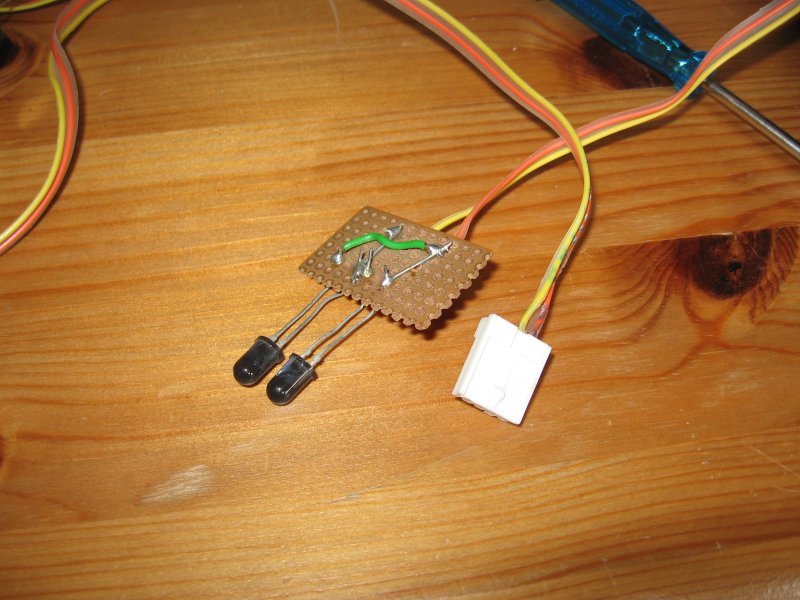
- An interface to infrared LEDs to remote control devices like CD player or TV sets
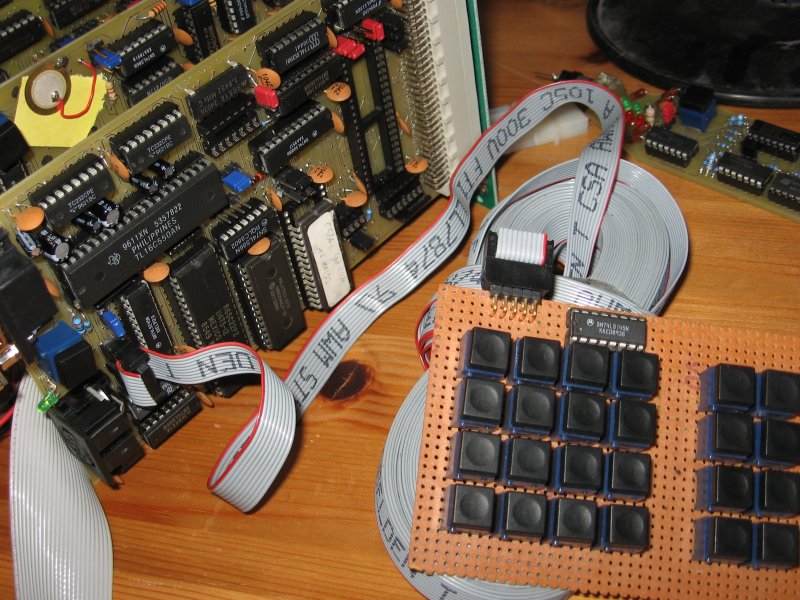
- A small keyboard interface
- Up to 30 kByte ROM and 32 kByte RAM, with up to 2 kByte fully decoded I/O space
- Bus interface to standard CS/A peripheral interface cards
- When used as a slave board to a normal CS/A65 system, the ROM can be reprogrammed in-system (when using an IC like the 29C010).
Software support is available with my GeckOS operating system, as well as with the drivers provided on this page.
An old description up to version 2.1 can be found in the old page
.- 2007-06-27 Added a new re-design of the Gecko board. See the board description below.
- 2007-06-27 I have relicensed the board to use the same license as the other boards (previously it was non-commercial only)
Table of content
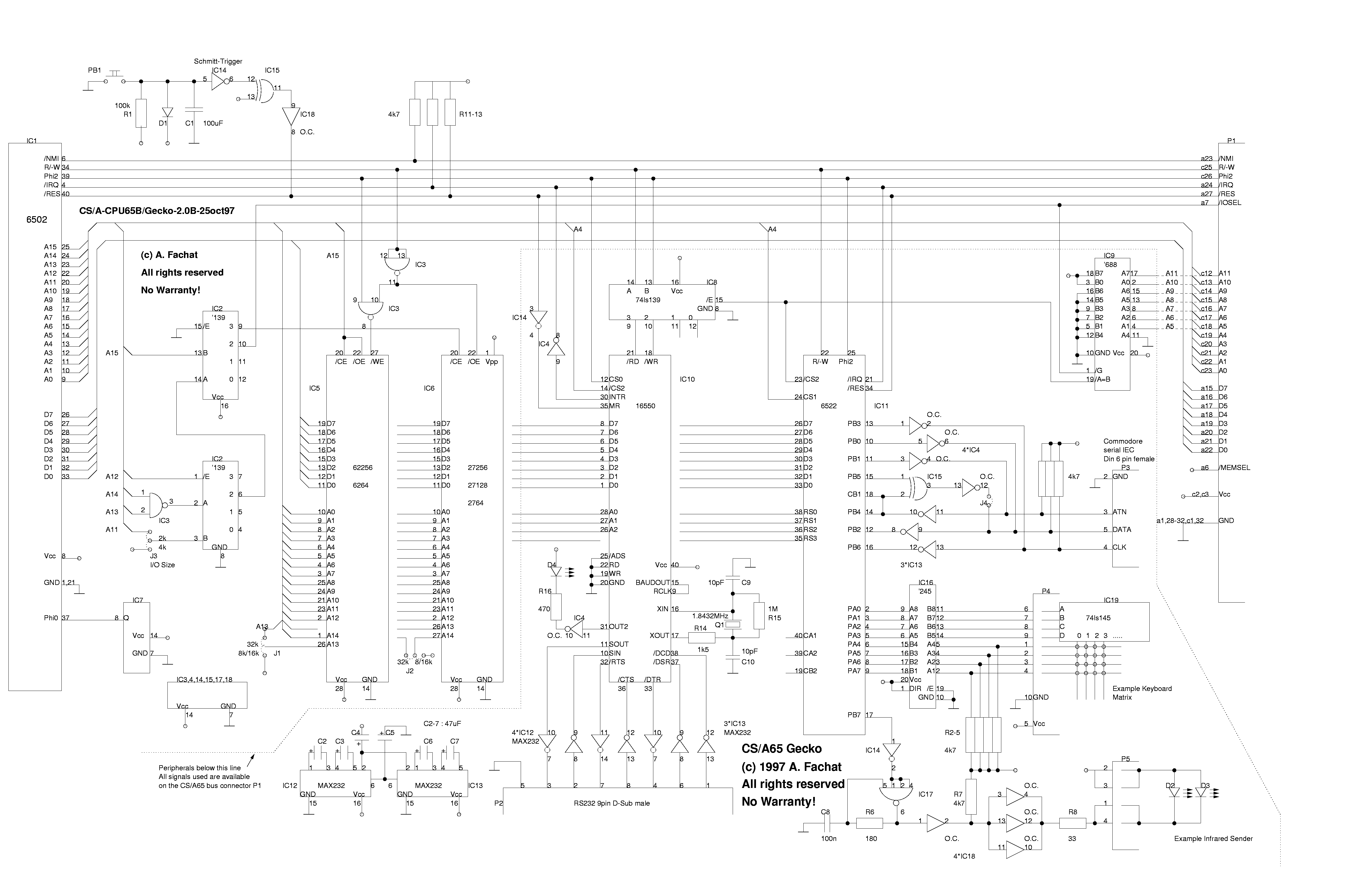
The System is built from a 6502 with some RAM and ROM. Additionally it contains a UART 16550A for an RS232 interface, as well as a VIA 6522 for some other I/O:
- Infrared sender - to control stereo equipment, VCRs, TV sets etc
- 4 bit in/4 bit out - for example for a small keyboard
- Commodore IEC bus - master or slave, so it can be used as controller or as device (drive)
The system also contains a CS/A65 bus adapter, so it can be plugged into a CS/A65 bus. In this bus it can either take the role of the master (using all the ICs) but only for the bus' I/O area. But it can also take the role as an I/O/Memory board itself. Here a number of ICs must be removed and some jumpers set specifically.
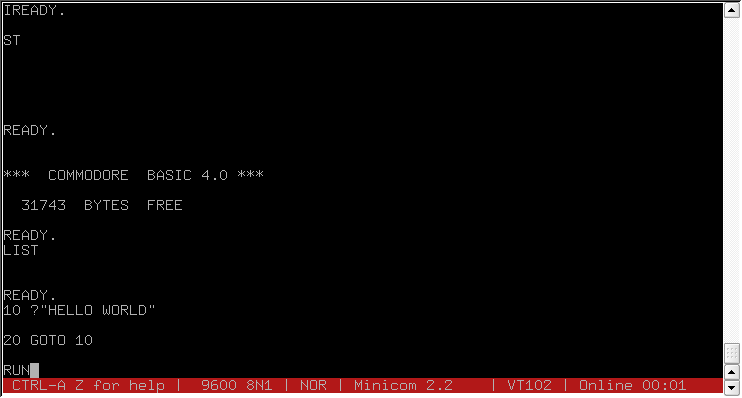
Serial PET
This driver implements a normal PET ROM - but using the Serial (RS232) interface as terminal. I.e. it replaces the standard PET Basic4 editor ROM with a new ROM that uses the RS232 interface instead. This version uses the VIA T1 interrupt to implement the system interrupt. The Backspace key is used as STOP, and due to character code conversion (or lack thereof) input must be in capital characters.
The archive contains the source code for the new editor ROM, and two binaries. One "uarted" is the real Gecko editor ROM, the other "lduarted" is a PET BASIC executable that loads into the Fat40 setup of the CS/A65 computer and uses the BIOS card's RS232 interface.
| gecko-uarted.tar.gz | |
| serialpet.png(Output of a PET via RS232) |
Infrared Driver
IEC Driver
Keyboard driver
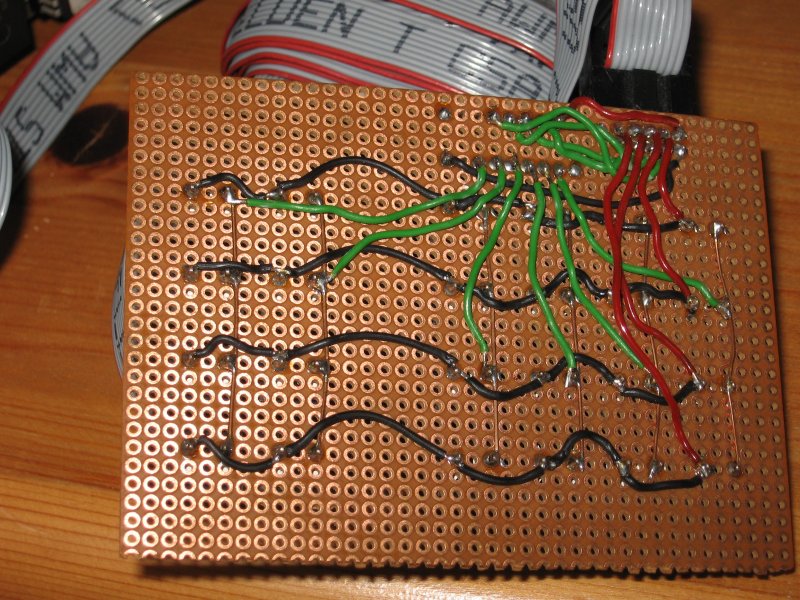
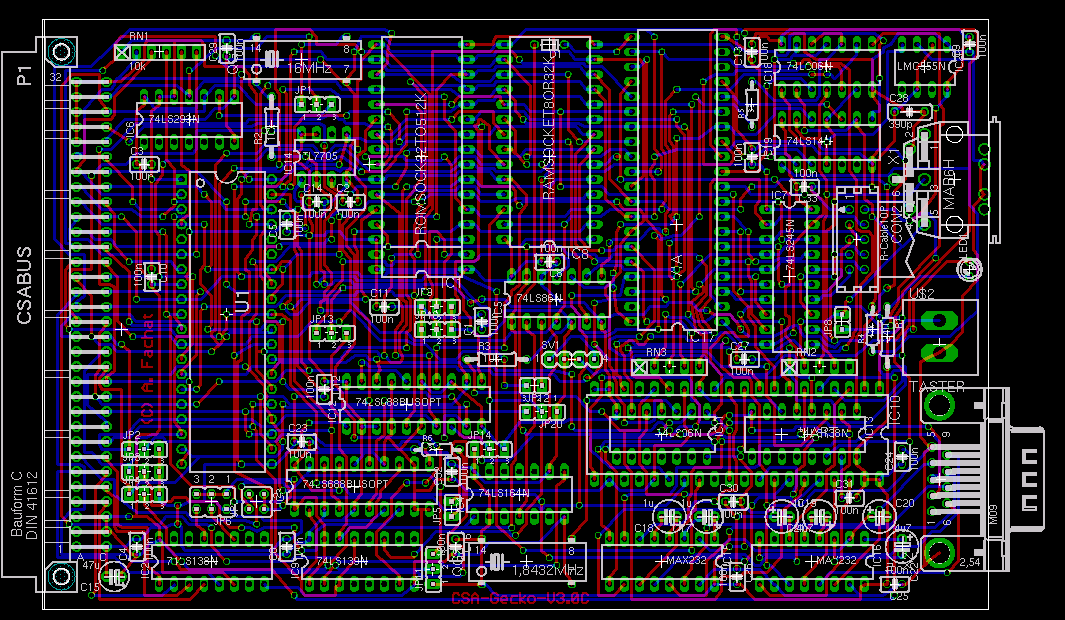
Version: 3.0D
Status: schematics tested
Notes
In addition to the 3.0C version this implements the ability to reprogram the ROM in-system - in case it is a 29C010 for example. Unfortunately this only works when the board is used as a slave, and only when the board I/O is mapped into the bus I/O area and not into the memory area. |
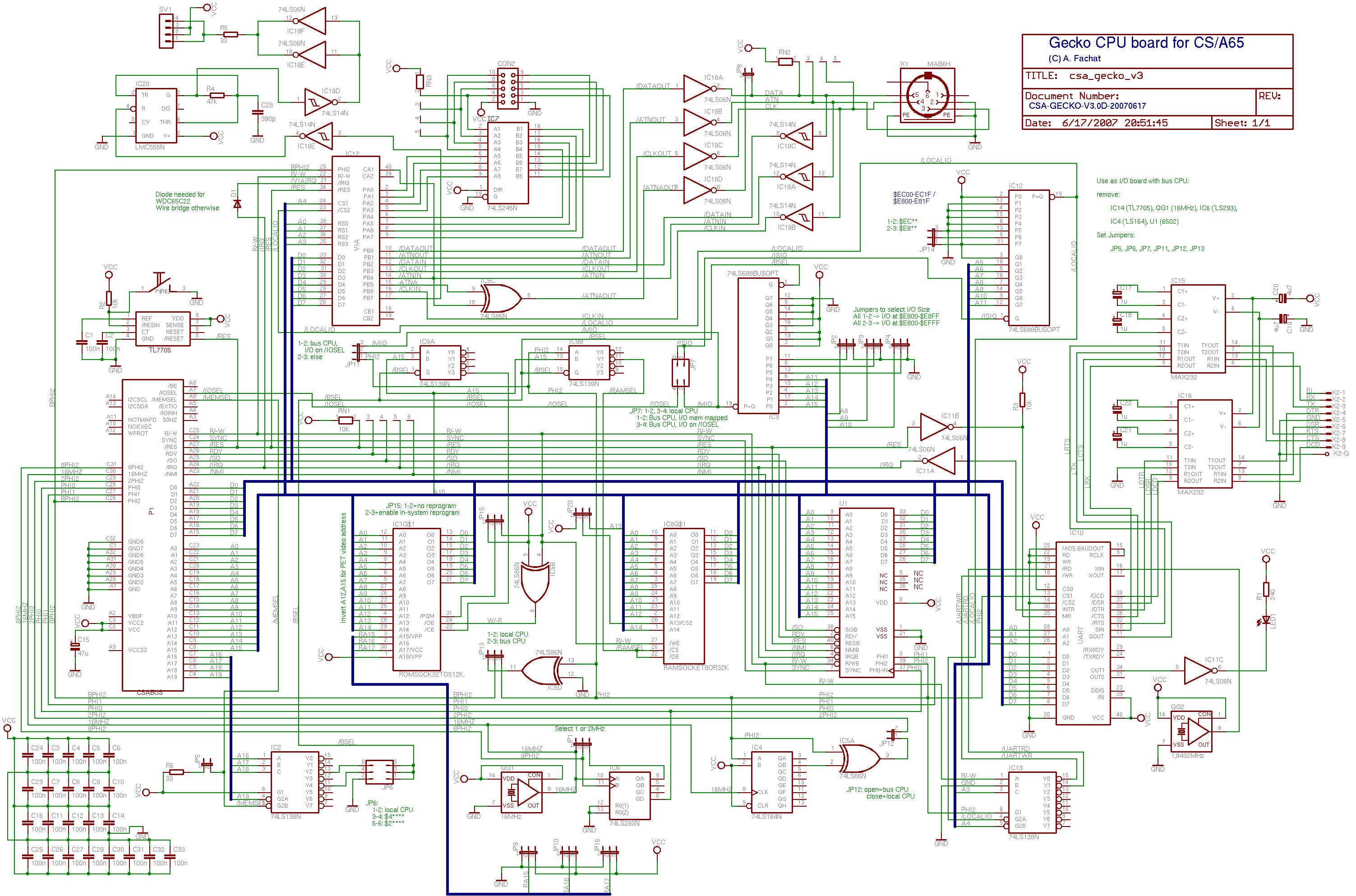
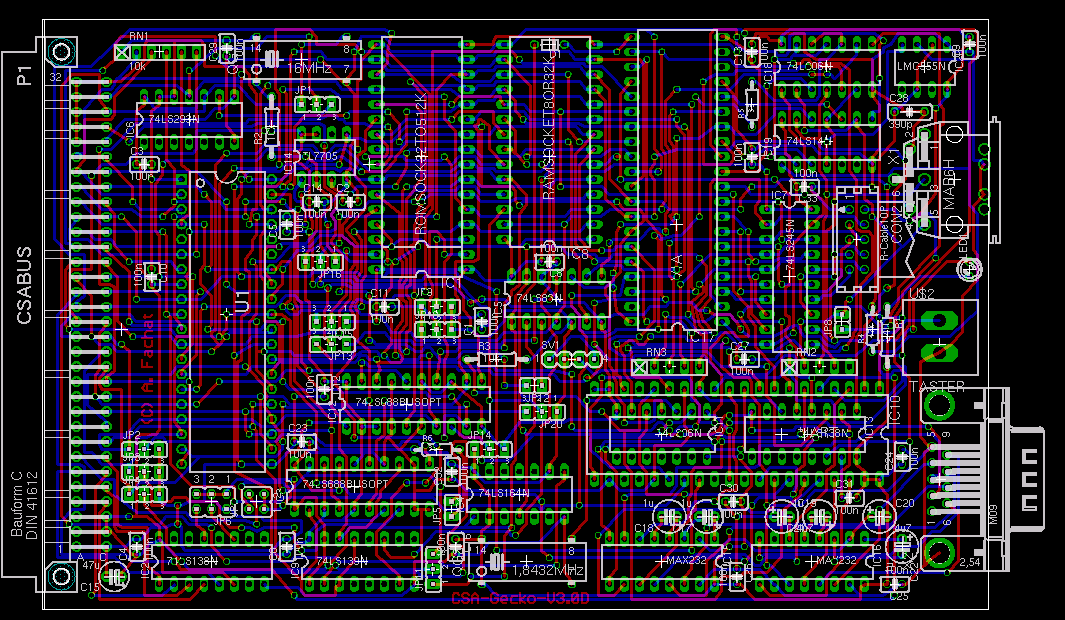
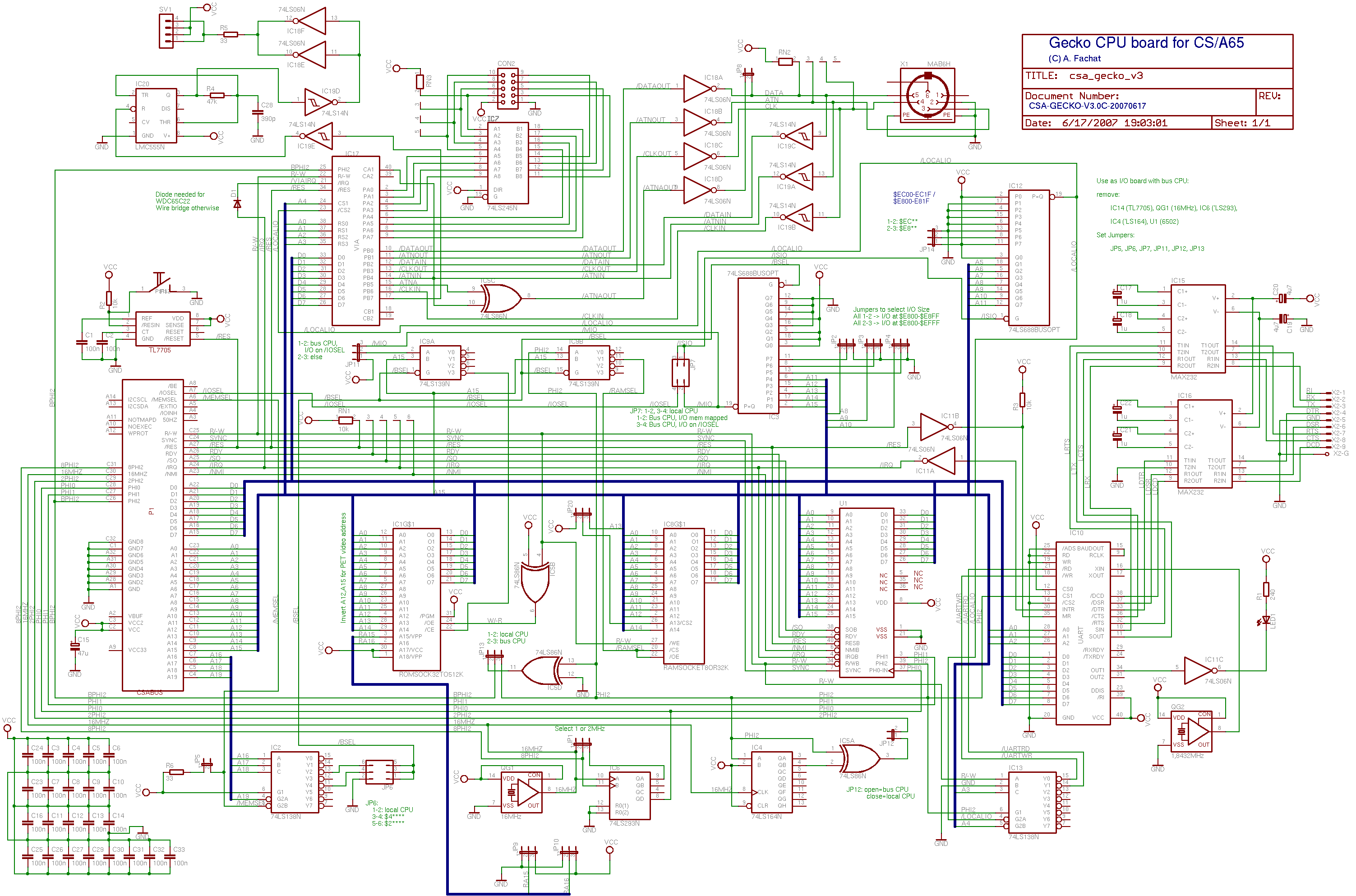
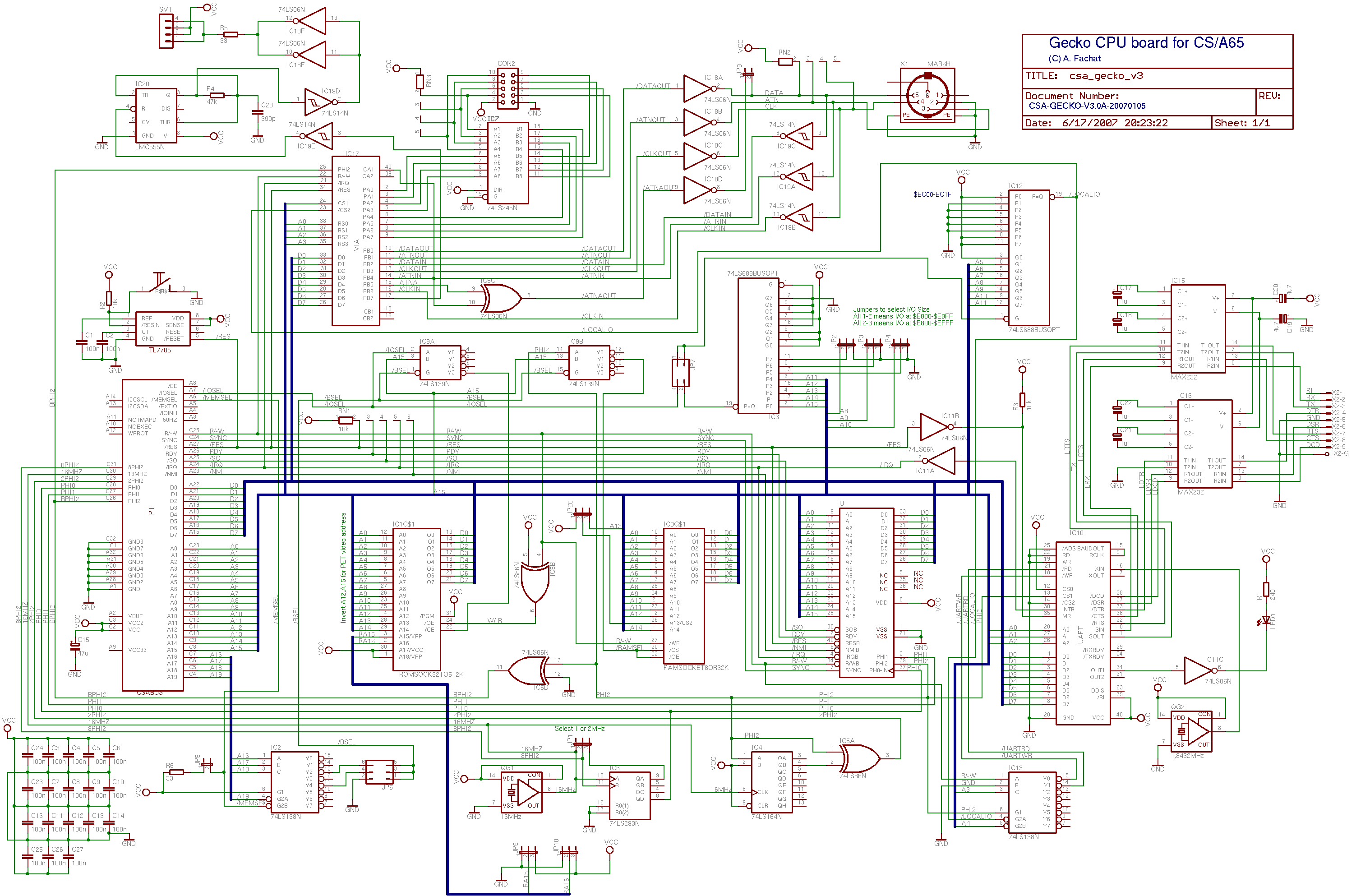
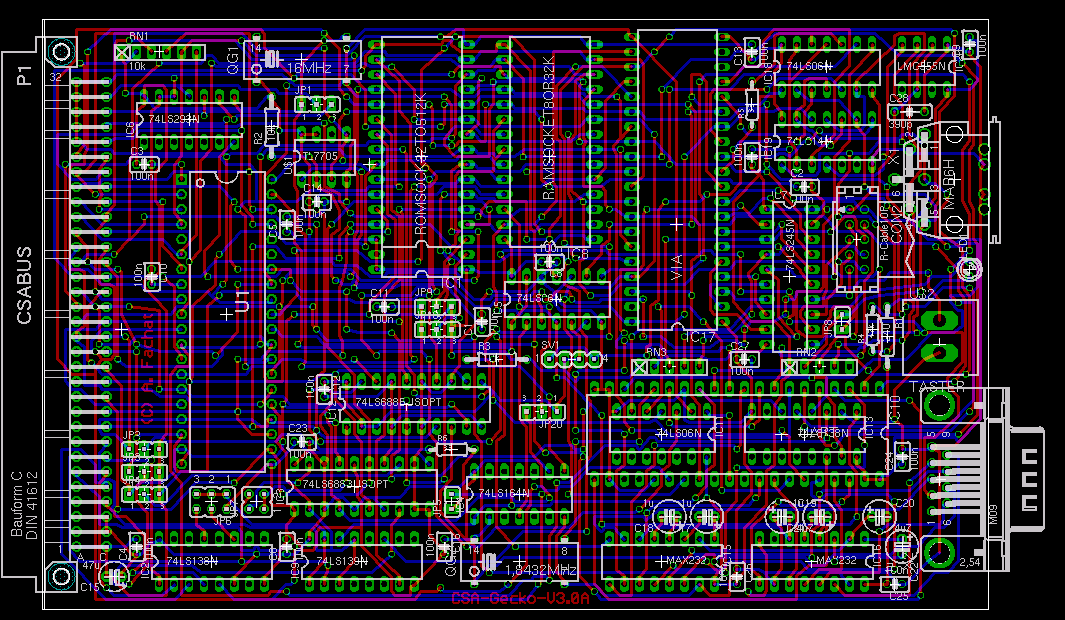
Version: 3.0A
Status: tested with bugs
Notes
| This board is the redesign of the original Gecko board. It misses some important jumpers to use the board as an I/O/Memory board slave in a CS/A65 system. Also it misses the /IRQ diode for the WDC VIA, and Pin2 of IC9A is wrong. |
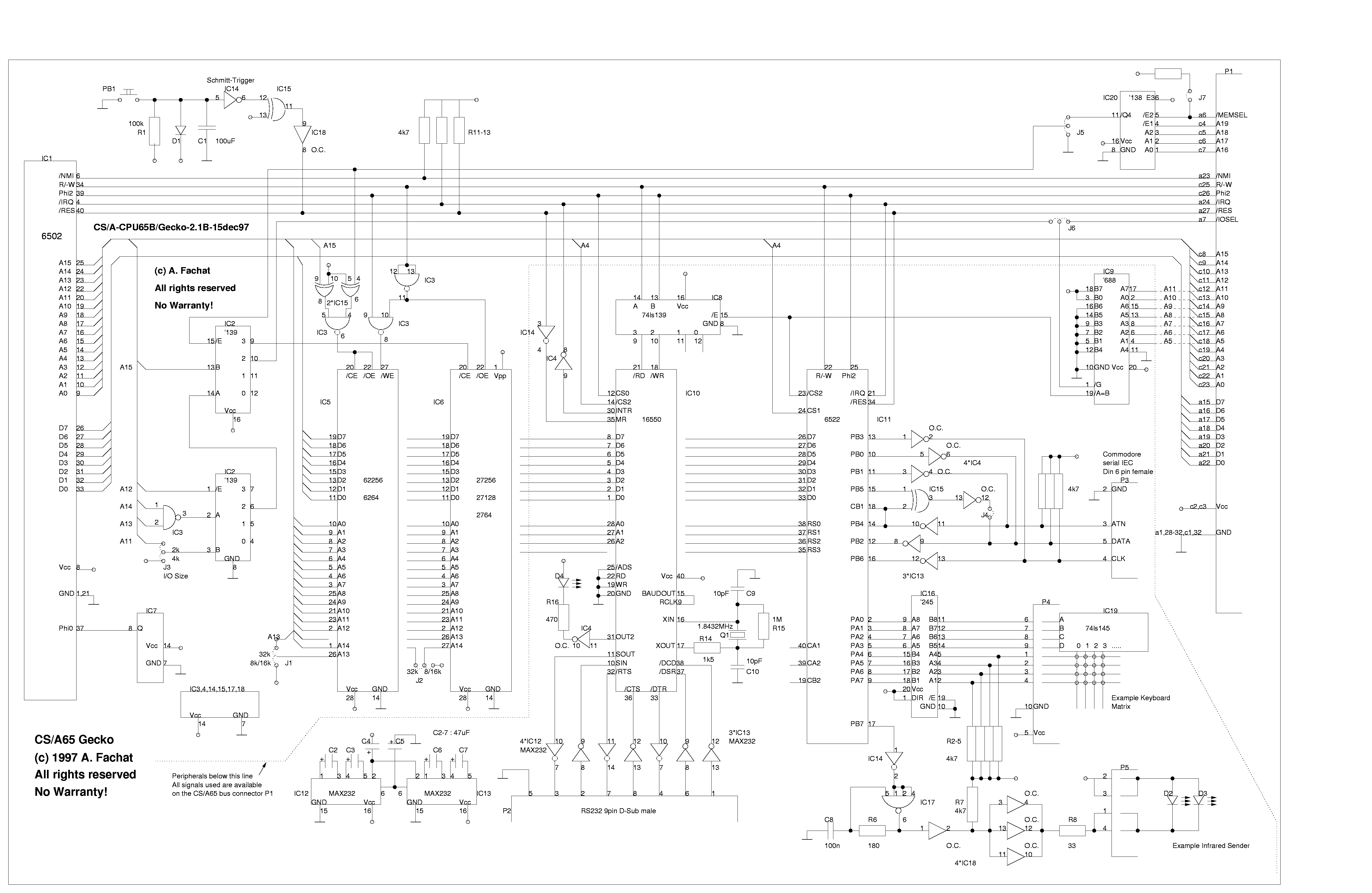
Version: 2.1A
Status: ok
Notes
| This is the Gecko 2.1 version that adds the ability to use the board as I/O or memory board (slave) in a CS/A65 system. |
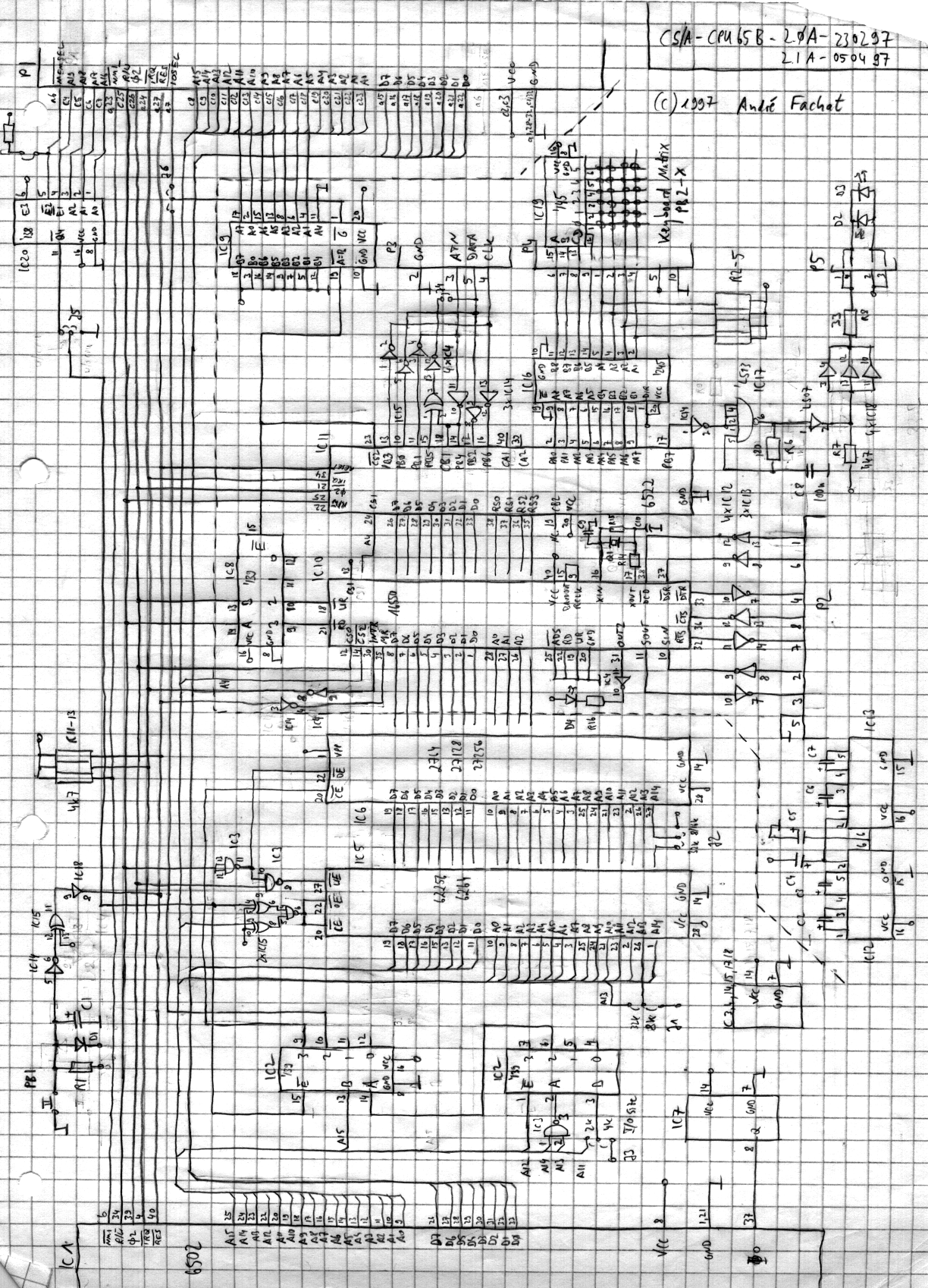
Version: 2.0A
Status: ok
Notes
| This is the original Gecko 2.0 version |
Files
| gecko.fig | |
| gecko.ps.gz | |
| gecko.png |
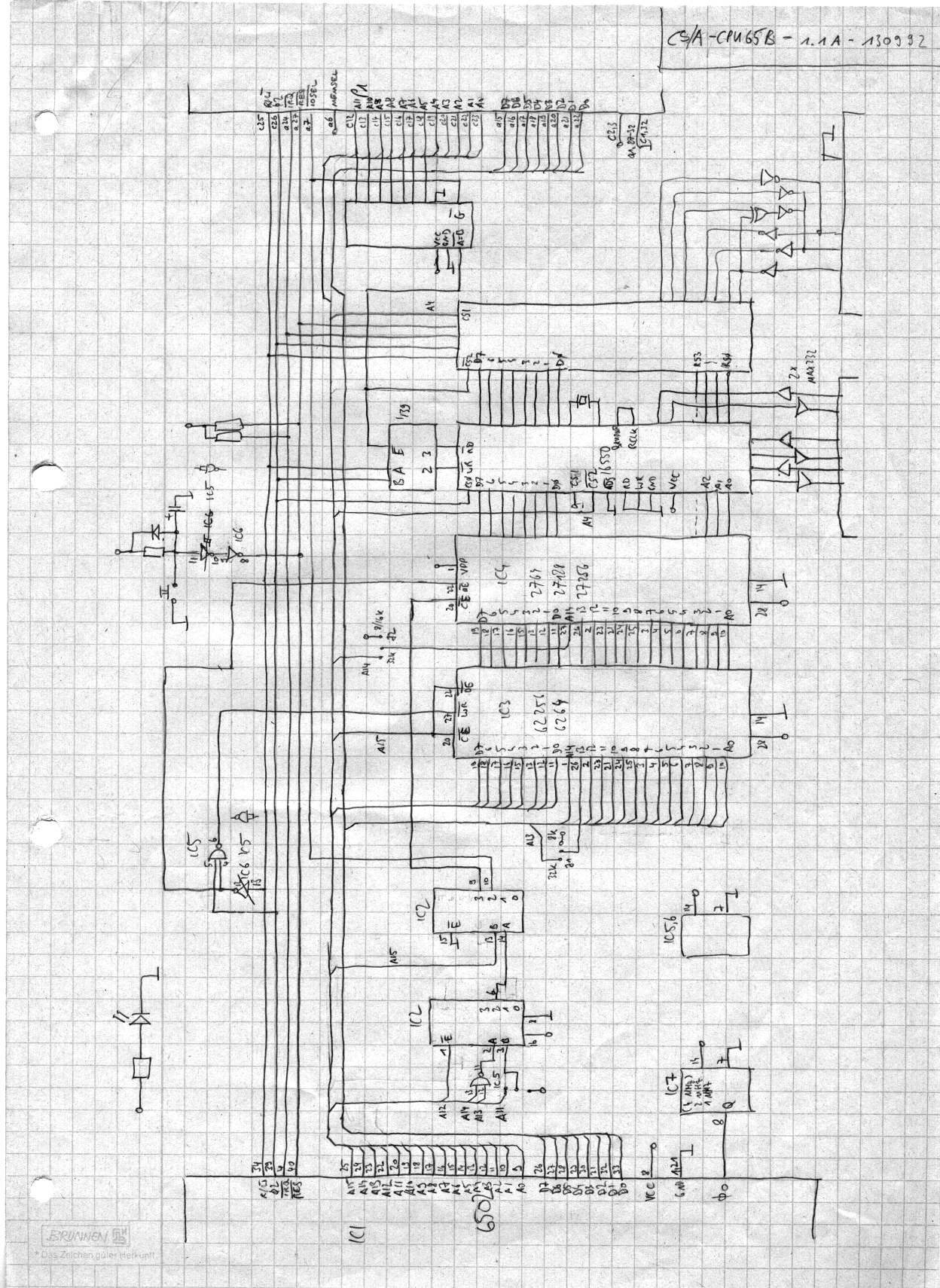
Version: 1.1A
Status: unfinished draft
Notes
| This is the original Gecko 1.x version - draft only! |
Files
| csa_gecko-1.1A-schem.png |